

We are pleased to announce the election of five new leaders to the GSA Board of Directors:
Vice President

David Greenstein
Professor, Genetics, Cell Biology, and Development, University of Minnesota
I am deeply honored to be elected as the Vice President of GSA. Now is a critical time to be a geneticist, and I believe our priorities should be recruiting, mentoring, training, and promoting the careers of the next generation of geneticists worldwide. An essential part of this work will be knocking down barriers that have limited efforts to build a vibrant global community and keeping GSA meeting programming thriving, inclusive, and highly relevant for scientific progress and career development. Our field, and science in general, faces serious challenges that limit its potential impact, and I would like to see GSA play a more central role in advocating for our discipline at national and global levels. GSA should remain a stable “home” and reliable source of information as our members navigate the current scientific climate, while also helping improve public understanding and support for fundamental research. Partnering with other professional societies (e.g., AAAS and FASEB) will be key. The rapidly evolving landscape of scientific publishing is another looming issue, but I am confident that expanding the scope and impact of our peer-edited Society journals will position us well. Although the Society is on strong footing thanks to prior leadership, financial headwinds remain. Beyond the usual revenue streams, I hope to expand our fundraising efforts and increase the value we provide through community building, career development, and efforts that broaden the reach and impact of our journals, meetings, and scientific contributions.
I am stepping into this role as a developmental geneticist with a broad range of experience. My research program focuses on the genetic control of germline development in C. elegans. I am passionate about teaching and mentoring: I teach an advanced genetics and genomics course for graduate students and direct two NIH-funded training programs, a predoctoral T32 in genetics and genomics, and the Minnesota IRACDA Program, a collaboration between the University of Minnesota and nearby community colleges. My administrative experience includes serving as Associate Dean for Research and Interim Dean at my institution, and my leadership approach emphasizes collective and consultative governance. I have also had a long-standing commitment to GSA, serving on the GENETICS editorial board since 2006, chairing the search committee for the journal’s Editor in Chief, and serving as GSA Secretary from 2016 to 2018, during which I helped establish the Peer Review Training Program. I am enthusiastic about continuing to work with our community to advance GSA’s mission in research, education, advocacy, and outreach. As Vice President, I will listen to the needs of scientists today, understand the challenges our members face, and collaborate with GSA colleagues and our community to support the collective success of genetics research and education.
Treasurer

Mary Mullins
Professor, Cell and Developmental Biology, University of Pennsylvania
It is an honor to serve the genetics community as Treasurer of the GSA Board of Directors. When I was a beginning graduate student, the first scientific society I joined was GSA, and I have been a member ever since. The discipline of genetics has been a cornerstone of my research throughout my career. I trained with preeminent geneticists Gerald Rubin and Christiane Nüsslein-Volhard, a Nobel Prize winning geneticist. As a postdoc I moved to study zebrafish, a new model organism at the time that offered the promise of the genetics I loved in Drosophila but in a vertebrate. There, I helped establish tools and participated in a collaborative, large-scale zygotic mutant screen to identify key developmental genes, work that contributed to launching the zebrafish field. In my lab at the University of Pennsylvania, we have continued using forward genetics and genomic approaches in the zebrafish. I am an associate editor at the PLOS Genetics journal. I co-organized The Allied Genetics Conference (TAGC) 2020 and a session at TAGC 2024, and I worked closely with GSA in organizing multiple zebrafish conferences. I twice served on the GSA Nominations Committee and as Vice President of the International Zebrafish Society, I worked closely with GSA on their initiative to support model organism databases.
I am committed to training the next generation of scientists and will bring to GSA my experience in outreach, mentoring, and teaching. I work closely with the UPenn BioEYES, the 2018 recipient of the GSA Elizabeth W. Jones Award for Excellence in Education, which brings hands-on genetics education to K-12 classrooms. I am active in training graduate students including as chair of a UPenn graduate program for six years. As Assistant Dean for Junior Faculty Advancement, I support assistant professors in advancing their independent research careers.
GSA is a wonderful advocate of genetics in all its forms and for geneticists at all levels. I am excited to be a steward of GSA, work to expand its impact, and serve the genetics community in all ways possible.
Director

Monica Colaiacovo
Professor, Genetics, Harvard Medical School
I am honored to serve GSA as a member of the Board of Directors and to contribute to the support and advocacy it provides our scientific community. I firmly believe that GSA plays an instrumental role in advancing the impact and importance of foundational, translational, and applied genetic and genomic research. It achieves this through its support of scientific publications, meetings, educational activities, and training opportunities for scientists at different career stages and from all communities, including our international genetics community. GSA also plays a key role in engaging and training its members in advocating for stable and continued research support, which is increasingly under threat. I look forward to working with GSA to expand strategies that support genetics research, education, and training opportunities by removing barriers that often preclude these goals. As a Board of Directors member, I will work to reduce financial barriers for trainees, facilitate networking across the genetics community, expand mentoring for trainees and early career investigators, broaden journal reach and audience, and provide more resources for science writing and communication. My first introduction to a scientific journal was through reading GENETICS when I began doing research as an undergraduate in Brazil. One of my proudest accomplishments was publishing my PhD work in GENETICS and later publishing again as a postdoctoral fellow. I was thrilled to serve the journal as an Associate Editor from 2009 to 2018. I continue to publish in GENETICS and consider it a premier journal for fundamental studies in genetics and genomics.
I have also had many opportunities to serve the broader genetics community. I was Co-chair of the 2013 International C. elegans Conference and served on the scientific organizing committee for the 2015 meeting. I served on the GSA Nominating Committee in 2017, the GSA Awards Committee from 2018 to 2020, moderated a GSA panel on grants and funding in 2021, and participated in the 2025 GSA virtual Capitol Hill Day, speaking with staff for various local Senate and House representatives. Through every one of these roles, I have been deeply impressed by the remarkable work done by GSA staff and by the dedication of the scientists who volunteer with the Society. I am a scientist today largely because I had great mentors and advocates, and I support training for scientists at all career stages. I was honored to receive a mentoring award from graduate students in the Biological and Biomedical Sciences PhD program at Harvard Medical School. I have served as Associate Director for the BBS umbrella program for five years, as a Program Advisor for 11 years supporting first-year graduate students, and as a member of multiple committees focused on advancing training and developing academic curriculum. I will apply these experiences to contribute to GSA on the Board of Directors so we can continue to strengthen and expand our impact on training, education, service, and research.
Director

Tania Reis
Associate Professor, Department of Medicine, Division of Endocrinology, Metabolism and Diabetes, University of Colorado Anschutz
It is a great honor to join the GSA Board of Directors. I have been a GSA member for more than 20 years, beginning as a PhD student in Bruce Edgar’s lab at the Fred Hutchinson Cancer Research Center, where I first experienced the power of the fly as a genetic model system. For my postdoctoral work in Iswar Hariharan’s lab at the University of California Berkeley, I developed Drosophila larvae as a model to study the genetics of obesity. In 2011, I established my research group at the University of Colorado School of Medicine, where I am now an Associate Professor in the Division of Endocrinology, Metabolism and Diabetes in the Department of Medicine. The goal of our research is to identify genetic and neuronal pathways required for metabolic homeostasis using Drosophila melanogaster. My identity as a scientist is intertwined with my identities as a mentor, lifelong mentee, and community member. Throughout my career, the Annual Drosophila Research Conference and three TAGCs have been central to collaborations, interactions, and growth, not only through scientific talks but also through late-night conversations, corridor discussions with new mentees, and exchanges with the staff who check in to ask how things are going and what could be improved. GSA has contributed immensely to who I am today and I want to continue to pay it forward in every way I can.
Through the years I have presented at GSA Conferences, organized workshops from 2014 to 2019, judged posters, chaired sessions, and participated in panel discussions. I also sought new ways to support our community and served as the inaugural GSA Chair for Childcare at Conferences from 2019 to 2022, with an advisory role from 2023 to 2024. I served on the Fly Board from 2020 to 2024 and currently serve on the Larry Sandler Memorial Award Selection Committee and the GSA Equity and Inclusion Committee. I have also contributed to the broader fly community as a lecturer at the Cold Spring Harbor Laboratory Drosophila Neurobiology Summer Course since 2018 and as a Course Co-director from 2022 to 2025. As an immigrant female scientist and mother of two children, including a young non-binary child, I devote significant effort to training through data-driven approaches that make science accessible and provide interventions that set everyone on a path to success. Within GSA, I want to facilitate broad adoption of the Equity and Inclusion Committee’s recommendations on improving access and transparency in committee composition and conference organization to equalize opportunities for service and scientific presentations. I also want to promote efforts that increase accessibility to support participation for community members with visible and invisible disabilities. Having traveled a less common path, I am committed to advocating for the removal of barriers that prevent scientists from doing their best research. Community and education are more important than ever, as the value of science and scientists is increasingly questioned. I want to help us strengthen what is working for our GSA community while ensuring that we support vulnerable members at every career stage and institution.
Director

Jeffrey Ross-Ibarra
Professor, Department of Evolution and Ecology, University of California, Davis
I am excited to serve on the GSA Board of Directors. I have long been involved in GSA, from helping organize and chair the Population, Evolutionary, and Quantitative Genetics (PEQG) Conference to serving for a decade as Associate and Senior Editor for G3: Genes|Genomes|Genetics, where I helped shape policies, build the editorial board, and expand opportunities for early career researchers. PEQG remains my favorite conference, and GENETICS and G3 are my preferred venues for publication, with nearly 20 of my papers appearing in these journals. I also have extensive experience working with other scientific societies, having served on the Board of Directors of the Maize Genetics Cooperative and on the Executive Council for the Society for Molecular Biology and Evolution. In both roles, I worked to strengthen diversity and equity policies, helped craft codes of conduct, and served on separate DEI committees. My additional experience includes organizing conferences such as the 24-hour International Plant Genomes Online in 2022 and the International Forum on Maize Biology, serving for five years as vice chair of a department of nearly 70 faculty, directing the University of California, Davis HPC Facility, and serving on the editorial board of multiple journals.
I will work to sustain GSA’s history of excellence while drawing on my experience in other societies to expand access to the GSA Journals and GSA Conferences and to strengthen efforts in training and providing opportunities for early career researchers. As a plant geneticist, I will also work to promote interaction and collaboration with plant genetics communities by exploring options such as additional special journal issues or new conference opportunities. I am honored to be elected to this role and look forward to the opportunity to work with GSA.

Read more in
-

Thank you, GSA community!
Thank you for being a member of the Genetics Society of America! As GSA’s current president, I am writing to tell you about Society projects and initiatives that we hope you will find useful in advancing your science and your career. Scientific research is a collaborative and exciting endeavor. Scientific societies like GSA exist to…
-

Where are they now? Rosalind Franklin Young Investigator Award recipients share updates on their research
Rosalind Franklin Young Investigator Award applications are open–make sure you submit your application or nomination of a colleague by September 30, 2024.
-

University of Minnesota researchers map genome of the last living wild horse species
The study, published in G3: Genes|Genomes|Genetics, is part of larger conservation efforts to save Przewalski’s horse.
-

Congratulations to the Spring 2024 DeLill Nasser Awardees!
GSA is pleased to announce the recipients of the DeLill Nasser Award for Professional Development in Genetics for Spring 2024! Given twice a year to graduate students and postdoctoral researchers, DeLill Nasser Awards support attendance at meetings and laboratory courses. The award is named in honor of DeLill Nasser, a long-time GSA supporter and National Science Foundation…
-

Carolyn Damilola: an NFS Rising Scientist on a lifelong quest to learn more
Carolyn Damilola is an NFS Rising Scientist from Nigeria doing respiratory system research and paving the way for scientists from underrepresented communities through mentorship.
-
What does a good microgrant proposal look like?
Members of the Microgrant Review Committee share their tips for a successful proposal.
-

The first piece of the facial recognition puzzle
New research in GENETICS gives a first peek at the molecular pathway involved in recognizing faces.
-

New Senior Editor Amy MacQueen joins GENETICS
A new senior editor is joining GENETICS in the Genome Integrity and Transmission section. We’re excited to welcome Amy MacQueen to the editorial team.
-

Block party on the zebrafish sex chromosome
Research in G3 identifies a gene regulatory block of the zebrafish genome responsible for overseeing the maternal-to-zygotic-transition.
-

Unraveling the mysteries of duckweed: epigenetic insights from Spirodela polyrhiza
Research published in G3 offers insight into the impact of DNA methylation on clonal propagation in asexually reproducing plants.
-

A microbiologist’s quest to understand CRISPR in bacterial self-defense
2024 Genetics Society of America Medal recipient Luciano Marraffini determined how CRISPR-Cas systems destroy genetic targets with precision, paving the way for gene editing technology development.
-
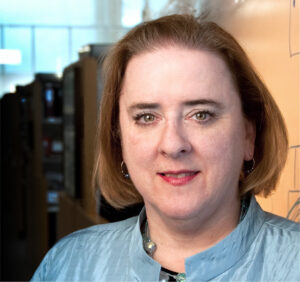
Unlocking mysteries of trait and disease heritability in dogs
2024 Edward Novitski Prize recipient Elaine Ostrander, a pioneer of the domestic dog model, discovered numerous genes affecting dog size, morphology, behavior, and disease susceptibility—many of which have relevance in humans.
-
GSA and collaborators Personal Genetics Education & Dialogue and Reclaiming STEM Institute launch NSF-funded BIO-LEAPS project to support culture change in genetics
We are thrilled to announce that the Genetics Society of America (GSA) is collaborating with the Personal Genetics Education & Dialogue (PGED) based in the Department of Genetics at Harvard Medical School, and the Reclaiming STEM Institute (RSI) on a Leading Culture Change Through Professional Societies of Biology (BIO-LEAPS) grant from the U.S. National Science…
-

Daman Saluja: Navigating Science and Policy in India
In the Paths to Science Policy series, we talk to individuals who have a passion for science policy and are active in advocacy through their various roles and careers. The series aims to inform and guide early career scientists interested in science policy. This series is brought to you by the GSA Early Career Scientist…
-
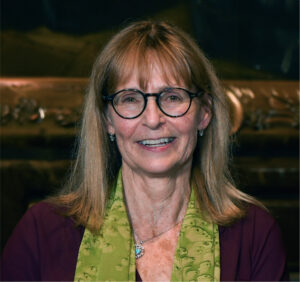
A fly geneticist’s journey into discovering rules of organ development
2024 George W. Beadle Award recipient Deborah Andrew discovered new genes and pathways in Drosophila salivary gland organogenesis. Now, her work can help optimize cell secretion in therapeutic applications and fight malaria.
-

Małgorzata Gazda: How receiving the DeLill Nasser Award helped her land her dream job
Have you ever experienced an event that changes the course of your life, or in this case, your career? Małgorzata (Gosia) Gazda is Assistant Professor at the University of Montreal and in 2022, she received the DeLill Nasser Award for Professional Development in Genetics, which she used to attend and present at the 2022 Population,…
-

Hongyu Zhao joins GENETICS as new Senior Editor
A new senior editor is joining GENETICS in the Statistical Genetics and Genomics section. We’re excited to welcome Hongyu Zhao to the editorial team.
-
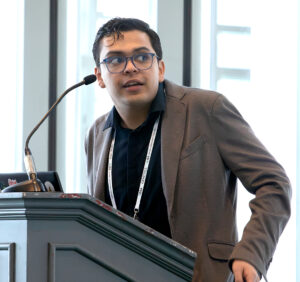
GSA Member Julio Molina Pineda Receives DeLill Nasser Award, Shines at TAGC 2024
“At any career stage, the GSA membership is an amazing investment for any genetics professional!” Julio Molina Pineda is a PhD Candidate in Cell and Molecular Biology and a Research Assistant at the University of Arkansas, and a Doctoral Academy Fellow at the Lewis Lab. In 2023, Julio was awarded the DeLill Nasser Award for…
-
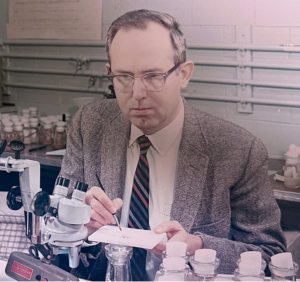
In Memoriam: Ellsworth Herman Grell (1932–2023), a pioneer of Drosophila genome engineering and annotation
Ellsworth (Ed) Grell blessed the Drosophila community through three enduring legacies: as a pioneer of chromosome mechanics, as a primary organizer and synthesizer of genetic knowledge in Drosophila, and as a graceful mentor to those fortunate to have known him personally. Ed grew up in rural Nebraska, completed his undergraduate studies at Iowa State, and…
-

Congratulations to the #Fungal24 Poster Award winners!
We are pleased to announce the recipients of the GSA Poster Awards for posters presented at the 32nd Fungal Genetics Conference! Undergraduate and graduate student members of GSA were eligible for the awards, and a hard-working team of judges made the determinations. Congratulations to all! Felicia Ebot Ojong, The University of Georgia My research is focused…
-
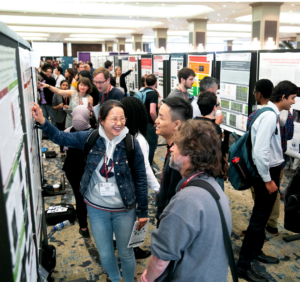
Poster presentation tips for TAGC 2024
You’ve been selected to present a poster at The Allied Genetics Conference 2024 in March—you’ve celebrated, made plans to attend, now what? This is an exciting opportunity to showcase your research and engage with fellow members of the genetics community, so you want to make sure you’re prepared. We wanted to offer you some tips…
-

Maximize your TAGC 2024 experience
A guide to all that National Harbor & DC have to offer Are you joining us for The Allied Genetics Conference 2024 in March? Make the most of your #TAGC24 experience in National Harbor! We know the science will keep you busy, but you deserve to unwind and have some fun, so we’ve curated a…
-
Early Career Leadership Spotlight: Sarah Petrosky
We’re taking time to get to know the members of the GSA’s Early Career Scientist Committees. Join us to learn more about our early career scientist advocates. Sarah PetroskyMultimedia SubcommitteeUniversity of Pittsburgh Research Interest I am interested in understanding adaptation that has been happening recently in populations by dissecting the ways that genes underlying an adaptation…
-
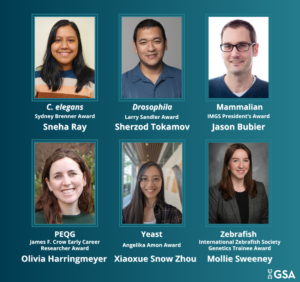
TAGC 2024 Early Career Award Winners
GSA is pleased to announce the winners of the early career awards presented at The Allied Genetics Conference 2024. These awards are specific to particular TAGC communities and recognize early career scientists’ outstanding work on their respective research organisms. The awardees will present their talks in keynote sessions at TAGC 2024. Don’t miss the opportunity…
-

Preeminent geneticists recognized with revamped GSA Awards
In 2022, GSA’s Board of Directors launched an audit to review the five major awards conferred by the Society. Today, we are thrilled to announce the recipients of the reimagined GSA Awards, including the new Genetics Society of America Early Career Medal. The scientists honored this year are recognized by their peers for their outstanding…
-
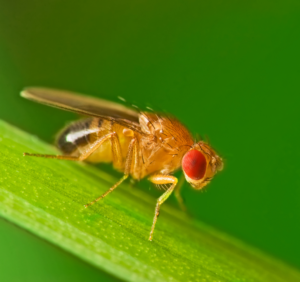
Fly Board funds outreach programs to spread the word about Drosophila research
In 2020, the Fly Board voted to use part of its reserve fund to support efforts to increase trainee participation as well as equity and diversity in the Drosophila community. An awards committee decides how the money will be spent each year, and from 2020–2022, the committee posted a very broad call for applications from…
-
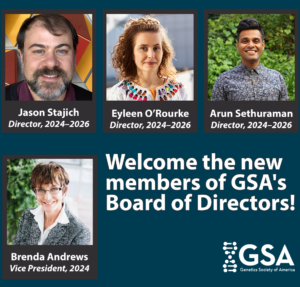
New members of the GSA Board of Directors: 2024–2026
We are pleased to announce the election of four new leaders to the GSA Board of Directors: 2024 Vice President/2025 President Brenda Andrews Professor, University of Toronto It’s an honor to continue my association with the Society by serving as Vice President of the Board of Directors. I have broad knowledge of the ongoing activities…
-

Landing a faculty position: Jiae Lee
Interviews from newly appointed faculty members shed light on the path to landing a faculty position.
-

Beyond a single reference genome: Lessons from the Human Genome Diversity Project
A new Perspectives article in GENETICS revisits the Human Genome Diversity Project through conversations with its early leaders, highlighting key lessons for today’s population geneticists.
-

Editorial Board Updates at GENETICS
We are excited to welcome two new editors, Lynn Cooley and Sushma Naithani, to the GENETICS editorial team, while Arash Bashirullah will step down as Senior Advisory Editor after three-and-a-half years with GENETICS.