

The Genetics Society of America submitted a comment on the Proposed Rule “Regulation for Federal Financial Assistance” (Docket no. OMB-2026-0034) electronically via www.regulations.gov by the July 13, 2026 deadline, in a letter (PDF attachment) addressed to the Honorable Russel T. Vought, Director of the Office of Management and Budget (OMB). The comment included here has been stripped of the official letter format used to easily share with our community on GSA’s blog.
Dear Director Vought:
The Genetics Society of America (GSA) is an international scientific society of more than 4,000 members, dedicated to supporting scientists of all career stages conducting research in genetics and genomics. Our community of scientists extends far beyond our membership to include GSA conference attendees, journal authors and reviewers, and other colleagues. We, the Board of Directors, would like to express our serious concerns regarding the proposed changes to Uniform Guidance. These changes, if enacted, will irrevocably damage scientific integrity, progress, and the strength of the United States research enterprise.
[§200.205(d)]
A primary concern is §200.205(d), Merit Review, which shifts federal agency review of grant applications and proposals away from expert scientific peer review toward greater discretion by political appointees. This poses a major risk to scientific integrity if expert reviewers only serve in an advisory capacity. Peer review allows not a single expert, but a group of experts, to evaluate and rank the importance and merit of proposals. A group of trained experts discusses the validity of the premise, the rigor and reproducibility of the proposed studies, and the potential impact for influencing the field. A rigorous peer review process improves the final product, including in grant reviews. The panels bring related, but disparate expertise to the table to fine-tune critiques and to ensure that the very best experiments are being proposed and are likely to succeed. This reinforces sound investment of research dollars.
[§200.340]
With these proposed changes, agencies would be able to terminate active grants if a project no longer aligns with federal priorities. Funding interruptions don’t just delay research; they compromise it. Many studies cannot be paused and restarted without jeopardizing the integrity of the results, leading to a significant waste of already-invested taxpayer funds if partially-completed research is abruptly terminated. This policy will profoundly impact the scientific labor force. A person would rather secure a non-U.S. based position, retire, or choose a different field altogether rather than enter into a multiyear postdoctoral or graduate appointment when funds could be terminated at any time; indeed, we are already seeing a mass exodus of students abroad and out of industry. Discoveries are not made in a year, but involve persistent and sustained effort, often over decades. Most ground-breaking scientific discoveries of our generation (CRISPR, RNA interference, genome sequencing) came not from companies or political desires, but from tedious, painstaking experiments at the lab bench and microscope. Indeed, many of these discoveries were serendipitous and came from fundamental studies into bacteria, fungi, plants, and a range of animal models (frogs, flies, worms, mice, and others). The NIH and NSF have had a long-standing commitment to foundational scientific studies using a range of organisms driven by the knowledge that we cannot predict where the next breakthrough will be. Sustained and continuous funding, free from political interference, is essential to ensure that a wide range of research topics are pursued and that a secure workforce in STEM is maintained.
Research conducted by the genetics and genomics community often mentions gender and/or sex differences in grant applications, because sex-specific biological differences are inherent to organisms with X and Y chromosomes that encode distinct genes, producing different hormones that lead to distinct traits and impacting a multitude of physiological processes that need to be better understood to improve human health. Studies in model organisms such as flies, worms, mice, zebrafish, and even plants allow us to better understand fundamental genetic, developmental, and evolutionary sex-specific processes. In medicine, for example, it is critical to understand sex-based differences in human health and disease, and in therapeutic drug dosage and effects. Diversity is another term used regularly in research and the scientific literature; for example, it is critical to understand the diversity of pathogenic genetic mutations and tumour types in order to develop personalized cancer treatments. Flagging these terms and having a non-scientifically trained appointee review the application or proposal creates the risk that scientifically sound research could be rejected based on criteria other than scientific merit.
[§200.220, 200.202(e)]
The proposed “domestic-first” framework will hurt U.S. science. Our community advances science through collaboration both within the U.S. and internationally. Genetics has historically advanced through international partnerships that combine shared community infrastructure, specialized expertise, and unique resources like stock centers, model organism databases, and open access to data. Progress in genetics research depends on the global sharing of specialized expertise, computational tools and software, data, and biological materials like stocks and strains. Science works best when it is collaborative. Restricting collaborators to those only in the U.S. limits what researchers might study as well as the long-term impact on the field.
Some of the most impactful discoveries in genetics arose out of this ethos, including the Nobel Prize-winning work on RNA interference, green fluorescent proteins, and cell cycle regulation. The 2001 Nobel Prize in Physiology or Medicine was awarded to Lee Hartwell and British scientists Sir Paul Nurse and Sir Timothy Hunt for the discovery of molecular mechanisms that regulate the cell cycle. Hartwell, a longtime GSA member whose work was supported by NIH funding, used yeast as a model organism in research that, together with the work of Nurse and Hunt, has greatly impacted our understanding of cancer biology and contributed to targeted drug development to treat cancer. CRISPR genome editing emerged from an international collaboration between GSA community member Jennifer Doudna and the French scientist Emmanuelle Charpentier and was recognized with the 2020 Nobel Prize in Chemistry. CRISPR has revolutionized the treatment of many diseases, including, most recently, sickle cell disease treated with the gene therapy Casvegy.
Corn (maize) is the single most valuable agricultural product in the U.S. Continued efforts to improve maize, from identifying disease resistance genes to understanding stress response, rely on access to diverse maize lines. While the USDA germplasm repository has an extensive collection, the most diverse collection of maize from the wide array of environments and growing conditions is maintained by the International Maize and Wheat Improvement Center (CIMMYT) in Mexico. Restricting access to these materials or collaboration with scientists in CIMMYT would slow or obstruct research that could benefit U.S. companies and farmers.
On the journals’ side, an analysis of articles whose authors had received NIH funding from 2009-2017 found that in 2017, approximately 35% included at least one coauthor affiliated with an institution outside the U.S. (Grubbs et al., 2019), a percentage that has steadily increased since 2017. These papers had substantially higher citation impact than publications authored solely by U.S.-affiliated investigators, which illustrates the usefulness of these international collaborations.
In a stratified random sample of 2025 articles published in GENETICS and G3: Genes|Genomes|Genetics during 2025, 66.4% reported support from U.S. federal agencies. Approximately one-quarter of federally funded papers included both U.S. and international institutional affiliations. These findings indicate that international collaboration is routine within our research community.
Prohibiting the use of federal funds for partnerships with certain foreign countries or entities, which remain largely undefined, will interfere with the ability of the U.S. scientific workforce to pool data, expertise, and resources with international colleagues. This will result in less impactful, lower-quality research, ultimately risking the U.S. standing as a global leader in science and innovation.
[§200.461]
Our members also rely on publishing their research in peer-reviewed journals, like our publications GENETICS (over 21,710 published articles since 1916; 37,197 citations) and the open access journal G3: Genes|Genomes|Genetics (4,848 published articles since 2011, 10,771 citations). Our journals disseminate the latest science and present findings on a global scale. They also provide access to data underlying research findings, in accordance with U.S. federal requirements on public access to data.
Publication costs are a necessary part of disseminating these findings, and most genetics labs rely on federal funding, without alternative means to pay these charges. The proposal to exclude publication fees from grant awards will mean that most GSA members will be unable to pay such fees. This will seriously hinder the dissemination of research findings and the timely communication of federally-funded results to the public. This in turn will compromise the return on U.S. investment in science. The use of preprint servers or the review of preprints are not effective substitutes for the gold-standard of high-quality peer review and publication of manuscripts in reputable journals.
[§200.432]
Regarding the restrictions on use of government grant funds to attend scientific meetings, scientists attend conferences to present new research to the broader community, to receive feedback that helps them shape their work, and to form collaborations that drive innovation. Since 2021, GSA conferences have hosted 20,226 attendees, with 73% hailing from the U.S. Reducing funding for meetings or setting strict limitations on allowable expenses will hurt collaboration across institutions and slow the communication of scientific discoveries. Our members may not know years in advance which GSA or other scientific conference will best suit their needs, and so it may be infeasible to seek permission in the grant application. Further, such a requirement impedes the creation of conferences that may tackle the most salient and pressing issues of our time (e.g., the use of AI in healthcare). Finally, almost all GSA conferences are held in the U.S., which has contributed to local hotels, restaurants, and small businesses (i.e., local economies).
Overall, GSA believes that barriers to the dissemination of research and the formation of vital collaborations impede the development of new technologies, diagnostics, and therapeutics, to the detriment of public health. This would also negatively affect advances in breeding technologies and crop genetic improvement, with downstream consequences for U.S. agriculture and food security. Funding shortfalls arising from the proposed revisions will have far-reaching consequences. Owing to funding uncertainty, many of our members have already rescinded offers to graduate students, postdoctoral researchers, and early-career faculty. If these proposed revisions take effect, it will be difficult to course correct. This snowball effect will result in significant job losses at universities and medical centers that in turn will decrease consumer spending and negatively affect local economies. Importantly, it will reduce the pipeline of scientists, which will have long-term repercussions in fueling biomedical innovation in the U.S. in the decades to come.
While we recognize that these revisions are intended to reduce waste of funds and ease the administrative burden on award recipients, they would likely have the opposite effect by increasing costs and requiring grant applicants to devote additional time and resources to logistical and administrative tasks. We respectfully urge OMB to reconsider these proposed revisions, which undermine the merit-based, gold-standard system that has positioned the U.S. as the global leader in science, threaten to impact future advances in medicine, crop yields, and gene therapies, and weaken American economic competitiveness. Basic research is a major driver of the technological advancements that have long made the U.S. the world leader in science and powered our nation’s continued economic growth.
Respectfully submitted,
The Genetics Society of America Executive Committee, on behalf of the Board of Directors
Cassandra G. Extravour, President
David Greenstein, Vice President
Brenda J. Andrews, Past President
Maureen Barr, Secretary
Mary C. Mullins, Treasurer

Read more in
-

Thank you, GSA community!
Thank you for being a member of the Genetics Society of America! As GSA’s current president, I am writing to tell you about Society projects and initiatives that we hope you will find useful in advancing your science and your career. Scientific research is a collaborative and exciting endeavor. Scientific societies like GSA exist to…
-

Where are they now? Rosalind Franklin Young Investigator Award recipients share updates on their research
Rosalind Franklin Young Investigator Award applications are open–make sure you submit your application or nomination of a colleague by September 30, 2024.
-

University of Minnesota researchers map genome of the last living wild horse species
The study, published in G3: Genes|Genomes|Genetics, is part of larger conservation efforts to save Przewalski’s horse.
-

Congratulations to the Spring 2024 DeLill Nasser Awardees!
GSA is pleased to announce the recipients of the DeLill Nasser Award for Professional Development in Genetics for Spring 2024! Given twice a year to graduate students and postdoctoral researchers, DeLill Nasser Awards support attendance at meetings and laboratory courses. The award is named in honor of DeLill Nasser, a long-time GSA supporter and National Science Foundation…
-

Carolyn Damilola: an NFS Rising Scientist on a lifelong quest to learn more
Carolyn Damilola is an NFS Rising Scientist from Nigeria doing respiratory system research and paving the way for scientists from underrepresented communities through mentorship.
-
What does a good microgrant proposal look like?
Members of the Microgrant Review Committee share their tips for a successful proposal.
-

The first piece of the facial recognition puzzle
New research in GENETICS gives a first peek at the molecular pathway involved in recognizing faces.
-

New Senior Editor Amy MacQueen joins GENETICS
A new senior editor is joining GENETICS in the Genome Integrity and Transmission section. We’re excited to welcome Amy MacQueen to the editorial team.
-

Block party on the zebrafish sex chromosome
Research in G3 identifies a gene regulatory block of the zebrafish genome responsible for overseeing the maternal-to-zygotic-transition.
-

Unraveling the mysteries of duckweed: epigenetic insights from Spirodela polyrhiza
Research published in G3 offers insight into the impact of DNA methylation on clonal propagation in asexually reproducing plants.
-

A microbiologist’s quest to understand CRISPR in bacterial self-defense
2024 Genetics Society of America Medal recipient Luciano Marraffini determined how CRISPR-Cas systems destroy genetic targets with precision, paving the way for gene editing technology development.
-
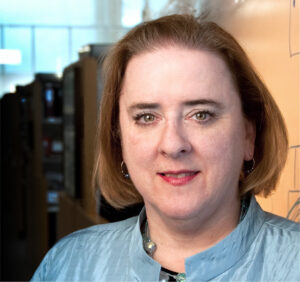
Unlocking mysteries of trait and disease heritability in dogs
2024 Edward Novitski Prize recipient Elaine Ostrander, a pioneer of the domestic dog model, discovered numerous genes affecting dog size, morphology, behavior, and disease susceptibility—many of which have relevance in humans.
-
GSA and collaborators Personal Genetics Education & Dialogue and Reclaiming STEM Institute launch NSF-funded BIO-LEAPS project to support culture change in genetics
We are thrilled to announce that the Genetics Society of America (GSA) is collaborating with the Personal Genetics Education & Dialogue (PGED) based in the Department of Genetics at Harvard Medical School, and the Reclaiming STEM Institute (RSI) on a Leading Culture Change Through Professional Societies of Biology (BIO-LEAPS) grant from the U.S. National Science…
-

Daman Saluja: Navigating Science and Policy in India
In the Paths to Science Policy series, we talk to individuals who have a passion for science policy and are active in advocacy through their various roles and careers. The series aims to inform and guide early career scientists interested in science policy. This series is brought to you by the GSA Early Career Scientist…
-

A fly geneticist’s journey into discovering rules of organ development
2024 George W. Beadle Award recipient Deborah Andrew discovered new genes and pathways in Drosophila salivary gland organogenesis. Now, her work can help optimize cell secretion in therapeutic applications and fight malaria.
-

Małgorzata Gazda: How receiving the DeLill Nasser Award helped her land her dream job
Have you ever experienced an event that changes the course of your life, or in this case, your career? Małgorzata (Gosia) Gazda is Assistant Professor at the University of Montreal and in 2022, she received the DeLill Nasser Award for Professional Development in Genetics, which she used to attend and present at the 2022 Population,…
-

Hongyu Zhao joins GENETICS as new Senior Editor
A new senior editor is joining GENETICS in the Statistical Genetics and Genomics section. We’re excited to welcome Hongyu Zhao to the editorial team.
-
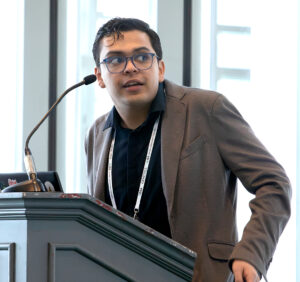
GSA Member Julio Molina Pineda Receives DeLill Nasser Award, Shines at TAGC 2024
“At any career stage, the GSA membership is an amazing investment for any genetics professional!” Julio Molina Pineda is a PhD Candidate in Cell and Molecular Biology and a Research Assistant at the University of Arkansas, and a Doctoral Academy Fellow at the Lewis Lab. In 2023, Julio was awarded the DeLill Nasser Award for…
-
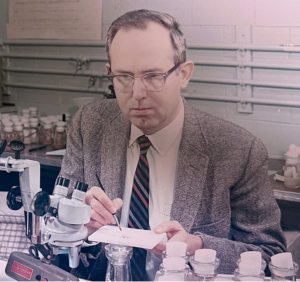
In Memoriam: Ellsworth Herman Grell (1932–2023), a pioneer of Drosophila genome engineering and annotation
Ellsworth (Ed) Grell blessed the Drosophila community through three enduring legacies: as a pioneer of chromosome mechanics, as a primary organizer and synthesizer of genetic knowledge in Drosophila, and as a graceful mentor to those fortunate to have known him personally. Ed grew up in rural Nebraska, completed his undergraduate studies at Iowa State, and…
-

Congratulations to the #Fungal24 Poster Award winners!
We are pleased to announce the recipients of the GSA Poster Awards for posters presented at the 32nd Fungal Genetics Conference! Undergraduate and graduate student members of GSA were eligible for the awards, and a hard-working team of judges made the determinations. Congratulations to all! Felicia Ebot Ojong, The University of Georgia My research is focused…
-
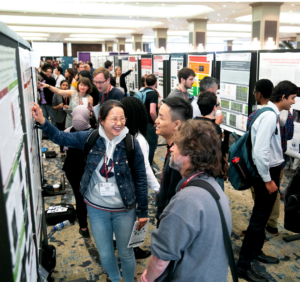
Poster presentation tips for TAGC 2024
You’ve been selected to present a poster at The Allied Genetics Conference 2024 in March—you’ve celebrated, made plans to attend, now what? This is an exciting opportunity to showcase your research and engage with fellow members of the genetics community, so you want to make sure you’re prepared. We wanted to offer you some tips…
-

Maximize your TAGC 2024 experience
A guide to all that National Harbor & DC have to offer Are you joining us for The Allied Genetics Conference 2024 in March? Make the most of your #TAGC24 experience in National Harbor! We know the science will keep you busy, but you deserve to unwind and have some fun, so we’ve curated a…
-
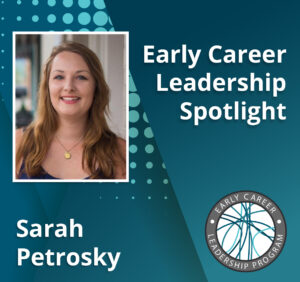
Early Career Leadership Spotlight: Sarah Petrosky
We’re taking time to get to know the members of the GSA’s Early Career Scientist Committees. Join us to learn more about our early career scientist advocates. Sarah PetroskyMultimedia SubcommitteeUniversity of Pittsburgh Research Interest I am interested in understanding adaptation that has been happening recently in populations by dissecting the ways that genes underlying an adaptation…
-
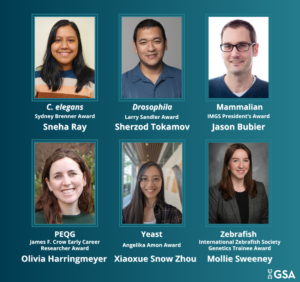
TAGC 2024 Early Career Award Winners
GSA is pleased to announce the winners of the early career awards presented at The Allied Genetics Conference 2024. These awards are specific to particular TAGC communities and recognize early career scientists’ outstanding work on their respective research organisms. The awardees will present their talks in keynote sessions at TAGC 2024. Don’t miss the opportunity…
-
Preeminent geneticists recognized with revamped GSA Awards
In 2022, GSA’s Board of Directors launched an audit to review the five major awards conferred by the Society. Today, we are thrilled to announce the recipients of the reimagined GSA Awards, including the new Genetics Society of America Early Career Medal. The scientists honored this year are recognized by their peers for their outstanding…
-
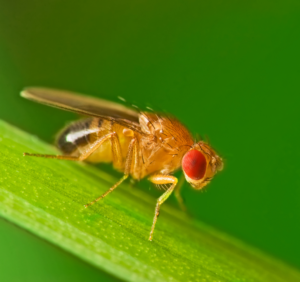
Fly Board funds outreach programs to spread the word about Drosophila research
In 2020, the Fly Board voted to use part of its reserve fund to support efforts to increase trainee participation as well as equity and diversity in the Drosophila community. An awards committee decides how the money will be spent each year, and from 2020–2022, the committee posted a very broad call for applications from…
-
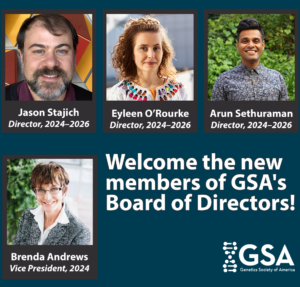
New members of the GSA Board of Directors: 2024–2026
We are pleased to announce the election of four new leaders to the GSA Board of Directors: 2024 Vice President/2025 President Brenda Andrews Professor, University of Toronto It’s an honor to continue my association with the Society by serving as Vice President of the Board of Directors. I have broad knowledge of the ongoing activities…
-

Research funding roadmap: The route to today’s model
Research funding today is complicated. Much of that complexity traces back to World War II, which reshaped who pays for science. Prior to the war, most research funding came from philanthropic donations and government labs. Depending on the donor, funds were used for a new building or to support a specific researcher. For instance, Thomas…
-

Anatomy of an R01 Grant
If you work in a lab that receives funding from the U.S. federal government, chances are that you’ve heard the term “R01” (pronounced “R – OH – 1”). An R01 is one of the many grant types awarded by the National Institutes of Health (NIH). The R series, or Research Grant, is the most common…
-

Genetic model turns routine mating into a visible injury model
A new model of copulatory wounding in Drosophila melanogaster offers a genetic tool to study sexual conflict.