

GENETICS

Jeff Ross-Ibarra
GENETICS editor in Primers
Jeffrey Ross-Ibarra is a professor at the University of California, Davis, where he studies evolutionary genomics in maize and its wild relatives. His research explores how selection, demography, and human activity shape genetic diversity, focusing on adaptation, domestication, and genome evolution. Combining computational genomics, field studies, and collaborations across disciplines, Ross-Ibarra investigates questions ranging from the impacts of linked selection to the role of breeding and agriculture in shaping crop genomes. He is widely recognized for bridging population genetics and plant biology to better understand evolution in agricultural systems.
G3: Genes|Genomes|Genetics

Yasir Ahmed-Braimah
G3 associate editor
Yasir Ahmed-Braimah is an associate professor in the Department of Biology at Syracuse University. He’s an evolutionary geneticist with broad interests, including speciation, reproductive interactions, chromosome evolution, and population genomics. His lab uses several Drosophila species as models to study reproductive isolation and species divergence, as well as functional genetics studies in the model D. melanogaster. He contributes broadly to functional genomics projects in various collaborations.

Derek Bickhart
G3 associate editor
Derek Bickhart is the team lead of bioinformatics in the Global Research and Development Department of Hendrix Genetics and holds a part-time appointment as an associate professor of computational genomics at Wageningen University. Having 15 years of experience in bioinformatics and genomics, he develops and applies innovative technologies and algorithms to address challenges in agricultural production systems. He has led or contributed to the development of reference genomes and metagenomic datasets for agricultural species and identified genetic variants now used in livestock genetic tests. His research aims to improve agricultural efficiency through predictive models of animal performance built from comprehensive genotype–phenotype and host–microbiome data.

Christina Boucher
G3 associate editor
Christina Boucher is a professor in the Department of Computer and Information Science and Engineering at the University of Florida. Her research focuses on developing algorithms and computational methods for large-scale genomic data analysis, with particular emphasis on pangenomics, antimicrobial resistance, sequence analysis, and compressed data structures. Her work spans both human and microbial genomics and combines algorithm development, machine learning, and high-performance computing to address challenges arising from increasingly large and complex genomic datasets. She is an active member of the genomics and bioinformatics communities and contributes to several large interdisciplinary and multi-institutional research collaborations.

Shawn Burgess
G3 associate editor
Shawn Burgess is the deputy scientific director and a senior investigator at the National Human Genome Research Institute at the National Institutes of Health (NIH). He received a BA in biology/psychology from Wesleyan University and a PhD in genetics from the Johns Hopkins University School of Medicine. He did his postdoctoral work at the Massachusetts Institute of Technology and has been an investigator at the NIH ever since. His lab uses genetics and genomics in combination with high-throughput screening to study the process of tissue regeneration in zebrafish, particularly hearing regeneration. He is also interested in comprehensive functional annotation of genomes, encompassing both the coding and non-coding sequences. Burgess is a member of the GSA Board of Directors.

Dario Cantù
G3 associate editor
Dario Cantù is the Ray Rossi endowed chair and professor of viticulture and enology at the University of California, Davis. His research integrates plant genetics, genomics, and computational biology to understand how genetic variation shapes complex traits in grapevine and other perennial crops. His laboratory has pioneered phased diploid genome assembly and graph-based pangenomics, developing genus-wide resources for wild and cultivated Vitis. His work has examined the genomic consequences of domestication, clonal propagation, and hybridization; the genetic architecture of disease resistance; the evolution of reproductive traits; and the genetic basis of berry aroma and microbiome recruitment. More recently, his group has applied single-cell and spatial transcriptomics to plant development and host–pathogen interactions. His laboratory also develops and maintains grapegenomics.com, a leading public resource for grape genomic data and tools.

Kaio Olimpio Dias
G3 associate editor
Kaio Olimpio Dias is an associate professor at the Federal University of Viçosa (UFV) in Brazil, where he works in quantitative and statistical genetics, genomic prediction, genotype-environment interaction, and artificial intelligence applied to plant breeding.

Melania Figueroa
G3 associate editor
Melania Figueroa earned her PhD in plant pathology with an emphasis in genetics and molecular biology at the University of Arizona. She achieved the rank of associate professor at the University of Minnesota before relocating to Canberra, Australia where she is currently a principal research scientist at the Commonwealth Scientific and Industrial Research Organisation (CSIRO). Throughout her career, Figueroa has been interested in plant-microbe interactions and the evolution of virulence traits that lead to host adaptation. Her research combines genomics, genetics, and molecular and synthetic biology to determine key factors behind crop disease and support the grain industry. Figueroa’s work has been transformative to elucidate nuclear haplotype hybridizations in cereal rust fungi and the identification of fungal effectors.

Aleeza Gerstein
G3 associate editor
Aleeza Gerstein is an associate professor in the Departments of Microbiology and Statistics at the University of Manitoba. She earned her BSc in ecology and evolution from The University of Western Ontario and completed her MSc and PhD using Saccharomyces cerevisiae as a model system to understand evolutionary genetics in Sarah (Sally) Otto’s lab at the University of British Columbia. She was then a postdoctoral fellow at the University of Minnesota, where she began applying an evolutionary lens to understanding human fungal pathogens. The Gerstein ‘MicroStats’ Lab currently integrates clinical, experimental, genomic, and computational statistical approaches to understand the factors that influence how fungal populations evolve, with a particular focus on recurrent infections in the human body and the acquisition of drug resistance. She is a past CIFAR Azrieli Global Scholar in the Fungal Kingdom: Threats and Opportunities program.

Alex Harkess
G3 associate editor
Alex Harkess is an evolutionary biologist who uses high-throughput genomics to understand the development and function underlying reproduction. He received an NSF CAREER award to build chromosome-scale genome assemblies of diverse XY, ZW, and UV sex chromosomes across land plants, and to identify putative sex-determining genes that can be translated into use for agricultural breeding. He co-founded and built the American Campus Tree Genomes (ACTG) program, which sequences iconic college campus trees, and builds semester curricula for students to assemble, annotate, and publish those chromosome-scale genomes in G3. He is currently a faculty investigator at HudsonAlpha Institute for Biotechnology since 2020, as well as a co-founder of Veil Genomics.

Tosso Leeb
G3 associate editor
Tosso Leeb received a diploma in chemistry and a doctorate in biochemistry from the University of Munich. He did postdoctoral research at the University of Göttingen and the University of Texas Health Science Center at San Antonio. In 1999, he was appointed professor for molecular veterinary genetics at the University of Veterinary Medicine Hannover. Since 2005 he has been professor for veterinary genetics and animal breeding at the University of Bern. His research interest focuses on the identification of genetic variants that control heritable variation. His group has identified more than 100 causal genetic variants for Mendelian traits in domestic animals with a particular emphasis on coat color and inherited disorders of the skin. Tosso works in several species including dogs, cats, horses, goats, and cattle. He is active in global collaboration projects such as the International Horse Genome Project, dog10K, 99 Lives Cat Genome Sequencing, and the Ruminant T2T Consortium.

Amelia Lindsey
G3 associate editor
Amelia Lindsey is an associate professor at the University of Minnesota (UMN). She completed a PhD in entomology under the mentorship of Richard Stouthamer at the University of California, Riverside, and was a postdoctoral researcher with Irene Newton and Richard Hardy at Indiana University prior to starting at UMN in 2020. Her research is focused on understanding transitions in reproductive biology, and the symbionts that interact with and drive such changes. Her lab uses a range of insect models in combination with genetics, genomics, and cell biology to address questions about these processes. A major focus in the lab is the Wolbachia symbionts that convert certain insects to asexual reproduction.

Adrian Moore
G3 associate editor
Adrian Moore is team director of the Laboratory for Neurodiversity at the RIKEN Center for Brain Science in Japan and an adjunct faculty member at Kyoto University. His research examines the regulatory mechanisms that govern neuronal differentiation and morphogenesis, with particular interests in microtubule organization, dendritic development, and the generation of neuronal diversity. His laboratory combines Drosophila genetics, mouse models, human neural stem-cell and neuronal cultures, live imaging, and quantitative image analysis to investigate fundamental mechanisms underlying nervous-system form and function.

Jesse Raab
G3 associate editor
Jesse Raab is an assistant professor at the University of North Carolina at Chapel Hill. His research investigates how chromatin remodeling complexes are regulated and how that regulation shapes gene expression in normal and disease states, working primarily on the SWI/SNF family, combining quantitative genomics, biochemistry, and computational analysis. Raab’s current program is focused on how post-translational modifications on SWI/SNF subunits control complex assembly and activity, and how interactions between chromatin remodelers and RNA contribute to regulated gene expression.

Daniel Skelly
G3 associate editor
Daniel Skelly is a geneticist, computational biologist, and senior computational scientist at The Jackson Laboratory. His research focuses on understanding the genetic architecture of complex traits and disease through the integration of systems genetics, functional genomics, and single-cell technologies. Leveraging genetically diverse mouse populations and large-scale genomic datasets, he seeks to uncover how genetic variation influences cellular phenotypes, disease mechanisms, and therapeutic responses. Through interdisciplinary collaborations spanning experimental and computational biology, his work addresses problems in immunology, cancer, and precision medicine.

Read more in
-

Thank you, GSA community!
Thank you for being a member of the Genetics Society of America! As GSA’s current president, I am writing to tell you about Society projects and initiatives that we hope you will find useful in advancing your science and your career. Scientific research is a collaborative and exciting endeavor. Scientific societies like GSA exist to…
-

Where are they now? Rosalind Franklin Young Investigator Award recipients share updates on their research
Rosalind Franklin Young Investigator Award applications are open–make sure you submit your application or nomination of a colleague by September 30, 2024.
-

University of Minnesota researchers map genome of the last living wild horse species
The study, published in G3: Genes|Genomes|Genetics, is part of larger conservation efforts to save Przewalski’s horse.
-

Congratulations to the Spring 2024 DeLill Nasser Awardees!
GSA is pleased to announce the recipients of the DeLill Nasser Award for Professional Development in Genetics for Spring 2024! Given twice a year to graduate students and postdoctoral researchers, DeLill Nasser Awards support attendance at meetings and laboratory courses. The award is named in honor of DeLill Nasser, a long-time GSA supporter and National Science Foundation…
-

Carolyn Damilola: an NFS Rising Scientist on a lifelong quest to learn more
Carolyn Damilola is an NFS Rising Scientist from Nigeria doing respiratory system research and paving the way for scientists from underrepresented communities through mentorship.
-
What does a good microgrant proposal look like?
Members of the Microgrant Review Committee share their tips for a successful proposal.
-

The first piece of the facial recognition puzzle
New research in GENETICS gives a first peek at the molecular pathway involved in recognizing faces.
-

New Senior Editor Amy MacQueen joins GENETICS
A new senior editor is joining GENETICS in the Genome Integrity and Transmission section. We’re excited to welcome Amy MacQueen to the editorial team.
-

Block party on the zebrafish sex chromosome
Research in G3 identifies a gene regulatory block of the zebrafish genome responsible for overseeing the maternal-to-zygotic-transition.
-

Unraveling the mysteries of duckweed: epigenetic insights from Spirodela polyrhiza
Research published in G3 offers insight into the impact of DNA methylation on clonal propagation in asexually reproducing plants.
-

A microbiologist’s quest to understand CRISPR in bacterial self-defense
2024 Genetics Society of America Medal recipient Luciano Marraffini determined how CRISPR-Cas systems destroy genetic targets with precision, paving the way for gene editing technology development.
-
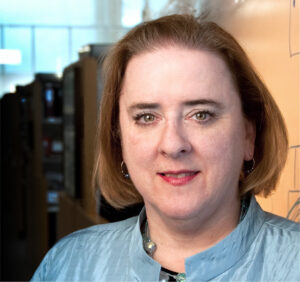
Unlocking mysteries of trait and disease heritability in dogs
2024 Edward Novitski Prize recipient Elaine Ostrander, a pioneer of the domestic dog model, discovered numerous genes affecting dog size, morphology, behavior, and disease susceptibility—many of which have relevance in humans.
-
GSA and collaborators Personal Genetics Education & Dialogue and Reclaiming STEM Institute launch NSF-funded BIO-LEAPS project to support culture change in genetics
We are thrilled to announce that the Genetics Society of America (GSA) is collaborating with the Personal Genetics Education & Dialogue (PGED) based in the Department of Genetics at Harvard Medical School, and the Reclaiming STEM Institute (RSI) on a Leading Culture Change Through Professional Societies of Biology (BIO-LEAPS) grant from the U.S. National Science…
-

Daman Saluja: Navigating Science and Policy in India
In the Paths to Science Policy series, we talk to individuals who have a passion for science policy and are active in advocacy through their various roles and careers. The series aims to inform and guide early career scientists interested in science policy. This series is brought to you by the GSA Early Career Scientist…
-
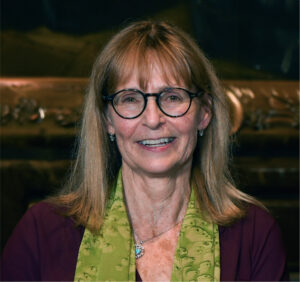
A fly geneticist’s journey into discovering rules of organ development
2024 George W. Beadle Award recipient Deborah Andrew discovered new genes and pathways in Drosophila salivary gland organogenesis. Now, her work can help optimize cell secretion in therapeutic applications and fight malaria.
-
Małgorzata Gazda: How receiving the DeLill Nasser Award helped her land her dream job
Have you ever experienced an event that changes the course of your life, or in this case, your career? Małgorzata (Gosia) Gazda is Assistant Professor at the University of Montreal and in 2022, she received the DeLill Nasser Award for Professional Development in Genetics, which she used to attend and present at the 2022 Population,…
-
Hongyu Zhao joins GENETICS as new Senior Editor
A new senior editor is joining GENETICS in the Statistical Genetics and Genomics section. We’re excited to welcome Hongyu Zhao to the editorial team.
-
GSA Member Julio Molina Pineda Receives DeLill Nasser Award, Shines at TAGC 2024
“At any career stage, the GSA membership is an amazing investment for any genetics professional!” Julio Molina Pineda is a PhD Candidate in Cell and Molecular Biology and a Research Assistant at the University of Arkansas, and a Doctoral Academy Fellow at the Lewis Lab. In 2023, Julio was awarded the DeLill Nasser Award for…
-
In Memoriam: Ellsworth Herman Grell (1932–2023), a pioneer of Drosophila genome engineering and annotation
Ellsworth (Ed) Grell blessed the Drosophila community through three enduring legacies: as a pioneer of chromosome mechanics, as a primary organizer and synthesizer of genetic knowledge in Drosophila, and as a graceful mentor to those fortunate to have known him personally. Ed grew up in rural Nebraska, completed his undergraduate studies at Iowa State, and…
-

Congratulations to the #Fungal24 Poster Award winners!
We are pleased to announce the recipients of the GSA Poster Awards for posters presented at the 32nd Fungal Genetics Conference! Undergraduate and graduate student members of GSA were eligible for the awards, and a hard-working team of judges made the determinations. Congratulations to all! Felicia Ebot Ojong, The University of Georgia My research is focused…
-
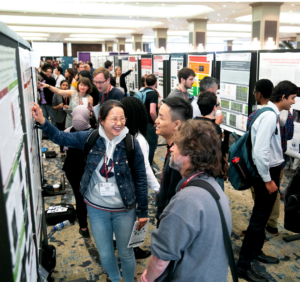
Poster presentation tips for TAGC 2024
You’ve been selected to present a poster at The Allied Genetics Conference 2024 in March—you’ve celebrated, made plans to attend, now what? This is an exciting opportunity to showcase your research and engage with fellow members of the genetics community, so you want to make sure you’re prepared. We wanted to offer you some tips…
-

Maximize your TAGC 2024 experience
A guide to all that National Harbor & DC have to offer Are you joining us for The Allied Genetics Conference 2024 in March? Make the most of your #TAGC24 experience in National Harbor! We know the science will keep you busy, but you deserve to unwind and have some fun, so we’ve curated a…
-
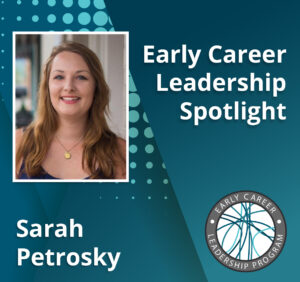
Early Career Leadership Spotlight: Sarah Petrosky
We’re taking time to get to know the members of the GSA’s Early Career Scientist Committees. Join us to learn more about our early career scientist advocates. Sarah PetroskyMultimedia SubcommitteeUniversity of Pittsburgh Research Interest I am interested in understanding adaptation that has been happening recently in populations by dissecting the ways that genes underlying an adaptation…
-
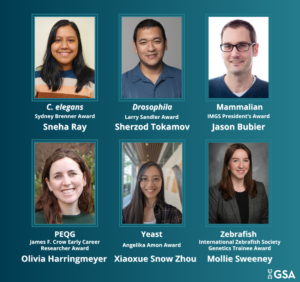
TAGC 2024 Early Career Award Winners
GSA is pleased to announce the winners of the early career awards presented at The Allied Genetics Conference 2024. These awards are specific to particular TAGC communities and recognize early career scientists’ outstanding work on their respective research organisms. The awardees will present their talks in keynote sessions at TAGC 2024. Don’t miss the opportunity…
-

Preeminent geneticists recognized with revamped GSA Awards
In 2022, GSA’s Board of Directors launched an audit to review the five major awards conferred by the Society. Today, we are thrilled to announce the recipients of the reimagined GSA Awards, including the new Genetics Society of America Early Career Medal. The scientists honored this year are recognized by their peers for their outstanding…
-
Fly Board funds outreach programs to spread the word about Drosophila research
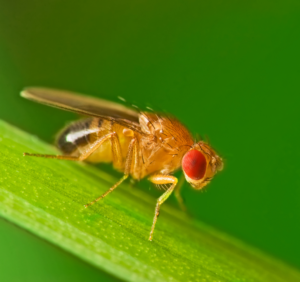
In 2020, the Fly Board voted to use part of its reserve fund to support efforts to increase trainee participation as well as equity and diversity in the Drosophila community. An awards committee decides how the money will be spent each year, and from 2020–2022, the committee posted a very broad call for applications from…
-
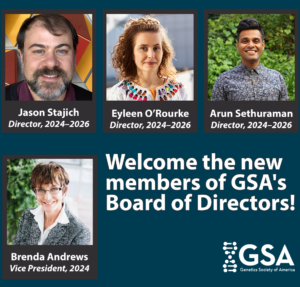
New members of the GSA Board of Directors: 2024–2026
We are pleased to announce the election of four new leaders to the GSA Board of Directors: 2024 Vice President/2025 President Brenda Andrews Professor, University of Toronto It’s an honor to continue my association with the Society by serving as Vice President of the Board of Directors. I have broad knowledge of the ongoing activities…
-

From genome to discovery: a genome alone is not enough
Standardizing how genomes are sequenced, assembled, annotated, and reported on will make them more comparable, reproducible, and reusable for the research community.
-

Early Career Leadership Spotlight: Samuel Isife
We’re taking time to get to know the members of the GSA Early Career Scientist Subcommittees. Join us to learn more about members of the Early Career Leadership Program.
-

What happens when you send a letter to Congress?
Ever wonder what happens after you contact your elected officials? Former AAAS-ASGCT Congressional Policy Fellow in the U.S. House of Representatives, Adriana Bankston walks us through the journey of a congressional advocacy letter and explains how scientists can use their voices to help shape research funding and federal policy.