

GENETICS

Peter Andolfatto
Genetics of Complex Traits Section, Associate Editor
Peter Andolfatto is a professor of biological sciences at Columbia University. He received a BS in biochemistry from Simon Fraser University and a PhD in genetics from the University of Chicago, followed by postdoctoral training in evolutionary genetics at the University of Edinburgh. His lab studies the evolutionary processes shaping genome evolution and the genetic mechanisms underlying adaptations, with a focus on what constrains the rate of adaptation and the predictability of its genetic basis. Work in the lab spans from repeated adaptations in single proteins to the genetic basis of complex phenotypes such as pigmentation and morphological evolution, leveraging population genomics, molecular genetics, and computational biology across a diverse range of model and non-model organisms. He has received numerous honors including an Alfred P. Sloan Research Fellowship and a Canada Research Chair in Evolutionary Genetics.

Elspeth Bruford
Computational Resources, Software, and Databases Section, stepping up from Associate Editor to Senior Editor
Elspeth Bruford is currently a research professor at the University of Cambridge and leads the Human Genome Organisation (HUGO) Gene Nomenclature Committee (HGNC,www.genenames.org), the sole authority worldwide for naming human genes. She received her PhD from the University of Edinburgh (MRC Human Genetics Unit) for studying the genetics of inherited retinal disorders, and joined the HGNC in 1998. In 2007 she relocated the HGNC group from University College London to the European Molecular Biology Laboratory’s European Bioinformatics Institute (EMBL-EBI) at Hinxton, UK where she was a group coordinator until 2018. In 2016, HGNC established a sister project, the Vertebrate Gene Nomenclature Committee (VGNC, vertebrate.genenames.org), which provides standardized nomenclature for key vertebrates and coordinates with existing vertebrate naming groups.

Kazuo Emoto
Neurogenetics Section, Associate Editor
Kazuo Emoto is a professor of biological sciences at the University of Tokyo working on neural development and function. After obtaining his PhD in pharmaceutical sciences from the University of Tokyo and working on molecular mechanisms of lipid metabolisms and transport, he did his postdoc training in the laboratory of Yuh-Nung Jan and Lily Jan at University of California,San Francisco, where he started his studies on molecular and cellular mechanisms of neural development and function in Drosophila. He is currently interested in molecular and cellular control of developmental neural plasticity and flexible control of sensory processing and behavior.

Toshie Kai
Molecular Genetics of Development Section, Associate Editor
Toshie Kai is a professor at Kyoto University, having recently relocated her laboratory from the University of Osaka. She earned her PhD from the University of Osaka and conducted postdoctoral research at the Carnegie Institution for Science/Howard Hughes Medical Institute (HHMI). During her tenure at the University of Osaka, she contributed significantly to academic administration, serving as an advisor to the president.
Kai’s research focuses on the molecular mechanisms governing the maintenance and differentiation of germline cells using Drosophila. Her work has played a key role in defining the functional significance of the “nuage”—a conserved non-membrane organelle and hallmark of germ cells—by demonstrating its role as a specialized site for piRNA biogenesis. This process is essential for silencing transposable elements and protecting genome integrity across generations. By combining genetic and biochemical approaches, her group continues to uncover fundamental biological principles that ensure the continuity of life through the germline.

Harmit Malik
Population and Evolutionary Genetics (Empirical) Section, Associate Editor
Harmit Singh Malik is professor and co‑associate director in the Division of Basic Sciences at Fred Hutchinson Cancer Center, an HHMI Investigator, and an adjunct professor of genome sciences at the University of Washington. Trained as a chemical engineer at IIT Bombay and as an evolutionary geneticist at the University of Rochester, he has built a career uncovering how genetic conflict and molecular “arms races” shape centromeres, chromosome segregation, genome defense, and host-virus interactions. Harmit’s research focuses on understanding centromere drive, meiotic segregation, rapidly evolving chromatin proteins, and innate immune restriction factors, revealing how evolutionary pressure can repeatedly reinvent core cellular machinery. His lab’s contributions have been recognized with the Presidential Early Career Award for Scientists and Engineers (PECASE), the Vilcek Prize for Creative Promise in Biomedical Science, the Eli Lilly and Company–Elanco Research Award from the American Society for Microbiology, the Genetics Society of America’s Edward Novitski Prize, and election to the US National Academy of Sciences, the American Academy of Arts and Sciences, the American Academy of Microbiology, and the Indian National Science Academy. He is a former president of the Society for Molecular Biology and Evolution and former president of the Drosophila Board (“Fly Board”). Malik is also a recipient of Fred Hutch’s McDougall Mentoring Award and considers his mentorship of trainees to be his most important scientific contribution. His expertise is in Drosophila genetics, molecular evolution, virology, and chromosome biology.

Yansong Miao
Cellular Genetics Section, Associate Editor
Yansong Miao is an associate professor in the School of Biological Sciences at Nanyang Technological University, Singapore, working in plant cell biology, biomolecular condensation, and cellular signaling. He received a BS from Zhejiang University and graduate training at The Chinese University of Hong Kong. During his postdoctoral work at the University of California, Berkeley, he investigated mechanisms of actin assembly, cell polarity, and membrane-associated signaling. He is interested in understanding how biomolecular condensates organize plant cells in space and time, and how phase separation regulates plant immunity, cytoskeletal remodeling, and adaptive responses to environmental signals. His lab combines quantitative living plant imaging, molecular genetics, biophysics, AI, synthetic biology, and systems-level approaches to study how dynamic molecular assemblies control signaling at the host–pathogen interface and during cellular morphogenesis. He is an NRF Investigator and was selected as an EMBO Global Investigator for his work on molecular condensation in plant immunity.

Allyson O’Donnell
Cellular Genetics Section, Associate Editor
Allyson O’Donnell trained in biochemistry and molecular biology at the University of New Brunswick and Dalhousie University, Canada, earning her BS, MSc, and PhD. Her postdoctoral work with Martha Cyert and Jeremy Thorner at Stanford University and the University of California, Berkeley, respectively, proved transformative. It was there she first characterized what would become known as the α-arrestins, a fundamentally important and previously unrecognized family of protein trafficking adaptors. She is currently an associate professor in the Department of Biological Sciences at the University of Pittsburgh. Her lab investigates how α-arrestins—conserved, cargo-selective adaptors—direct membrane proteins through clathrin-mediated and clathrin-independent endocytic pathways, with precision governed by major signaling hubs including TORC1, AMPK, and calcineurin. Her group also explores how cancer drugs like 2-deoxyglucose exploit these trafficking mechanisms, and how brand-new proteins born from non-coding DNA navigate the cellular machinery to establish themselves within the proteome.

Read more in
-

Thank you, GSA community!
Thank you for being a member of the Genetics Society of America! As GSA’s current president, I am writing to tell you about Society projects and initiatives that we hope you will find useful in advancing your science and your career. Scientific research is a collaborative and exciting endeavor. Scientific societies like GSA exist to…
-

Where are they now? Rosalind Franklin Young Investigator Award recipients share updates on their research
Rosalind Franklin Young Investigator Award applications are open–make sure you submit your application or nomination of a colleague by September 30, 2024.
-

University of Minnesota researchers map genome of the last living wild horse species
The study, published in G3: Genes|Genomes|Genetics, is part of larger conservation efforts to save Przewalski’s horse.
-

Congratulations to the Spring 2024 DeLill Nasser Awardees!
GSA is pleased to announce the recipients of the DeLill Nasser Award for Professional Development in Genetics for Spring 2024! Given twice a year to graduate students and postdoctoral researchers, DeLill Nasser Awards support attendance at meetings and laboratory courses. The award is named in honor of DeLill Nasser, a long-time GSA supporter and National Science Foundation…
-

Carolyn Damilola: an NFS Rising Scientist on a lifelong quest to learn more
Carolyn Damilola is an NFS Rising Scientist from Nigeria doing respiratory system research and paving the way for scientists from underrepresented communities through mentorship.
-
What does a good microgrant proposal look like?
Members of the Microgrant Review Committee share their tips for a successful proposal.
-

The first piece of the facial recognition puzzle
New research in GENETICS gives a first peek at the molecular pathway involved in recognizing faces.
-

New Senior Editor Amy MacQueen joins GENETICS
A new senior editor is joining GENETICS in the Genome Integrity and Transmission section. We’re excited to welcome Amy MacQueen to the editorial team.
-

Block party on the zebrafish sex chromosome
Research in G3 identifies a gene regulatory block of the zebrafish genome responsible for overseeing the maternal-to-zygotic-transition.
-

Unraveling the mysteries of duckweed: epigenetic insights from Spirodela polyrhiza
Research published in G3 offers insight into the impact of DNA methylation on clonal propagation in asexually reproducing plants.
-

A microbiologist’s quest to understand CRISPR in bacterial self-defense
2024 Genetics Society of America Medal recipient Luciano Marraffini determined how CRISPR-Cas systems destroy genetic targets with precision, paving the way for gene editing technology development.
-
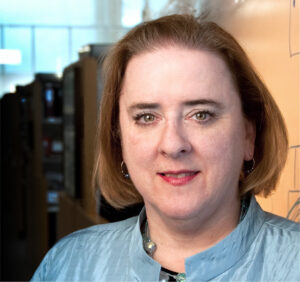
Unlocking mysteries of trait and disease heritability in dogs
2024 Edward Novitski Prize recipient Elaine Ostrander, a pioneer of the domestic dog model, discovered numerous genes affecting dog size, morphology, behavior, and disease susceptibility—many of which have relevance in humans.
-
GSA and collaborators Personal Genetics Education & Dialogue and Reclaiming STEM Institute launch NSF-funded BIO-LEAPS project to support culture change in genetics
We are thrilled to announce that the Genetics Society of America (GSA) is collaborating with the Personal Genetics Education & Dialogue (PGED) based in the Department of Genetics at Harvard Medical School, and the Reclaiming STEM Institute (RSI) on a Leading Culture Change Through Professional Societies of Biology (BIO-LEAPS) grant from the U.S. National Science…
-

Daman Saluja: Navigating Science and Policy in India
In the Paths to Science Policy series, we talk to individuals who have a passion for science policy and are active in advocacy through their various roles and careers. The series aims to inform and guide early career scientists interested in science policy. This series is brought to you by the GSA Early Career Scientist…
-
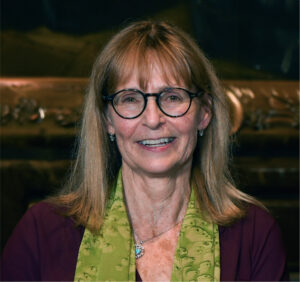
A fly geneticist’s journey into discovering rules of organ development
2024 George W. Beadle Award recipient Deborah Andrew discovered new genes and pathways in Drosophila salivary gland organogenesis. Now, her work can help optimize cell secretion in therapeutic applications and fight malaria.
-
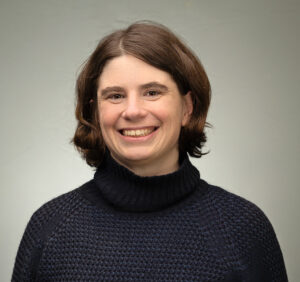
Małgorzata Gazda: How receiving the DeLill Nasser Award helped her land her dream job
Have you ever experienced an event that changes the course of your life, or in this case, your career? Małgorzata (Gosia) Gazda is Assistant Professor at the University of Montreal and in 2022, she received the DeLill Nasser Award for Professional Development in Genetics, which she used to attend and present at the 2022 Population,…
-
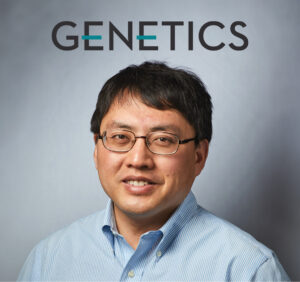
Hongyu Zhao joins GENETICS as new Senior Editor
A new senior editor is joining GENETICS in the Statistical Genetics and Genomics section. We’re excited to welcome Hongyu Zhao to the editorial team.
-
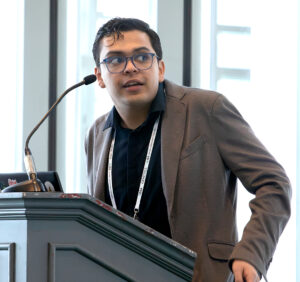
GSA Member Julio Molina Pineda Receives DeLill Nasser Award, Shines at TAGC 2024
“At any career stage, the GSA membership is an amazing investment for any genetics professional!” Julio Molina Pineda is a PhD Candidate in Cell and Molecular Biology and a Research Assistant at the University of Arkansas, and a Doctoral Academy Fellow at the Lewis Lab. In 2023, Julio was awarded the DeLill Nasser Award for…
-
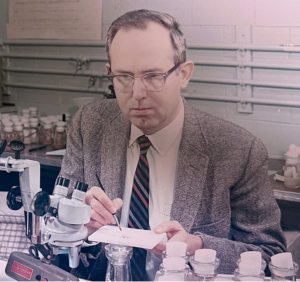
In Memoriam: Ellsworth Herman Grell (1932–2023), a pioneer of Drosophila genome engineering and annotation
Ellsworth (Ed) Grell blessed the Drosophila community through three enduring legacies: as a pioneer of chromosome mechanics, as a primary organizer and synthesizer of genetic knowledge in Drosophila, and as a graceful mentor to those fortunate to have known him personally. Ed grew up in rural Nebraska, completed his undergraduate studies at Iowa State, and…
-

Congratulations to the #Fungal24 Poster Award winners!
We are pleased to announce the recipients of the GSA Poster Awards for posters presented at the 32nd Fungal Genetics Conference! Undergraduate and graduate student members of GSA were eligible for the awards, and a hard-working team of judges made the determinations. Congratulations to all! Felicia Ebot Ojong, The University of Georgia My research is focused…
-
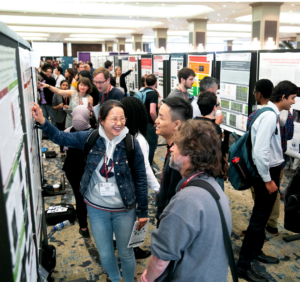
Poster presentation tips for TAGC 2024
You’ve been selected to present a poster at The Allied Genetics Conference 2024 in March—you’ve celebrated, made plans to attend, now what? This is an exciting opportunity to showcase your research and engage with fellow members of the genetics community, so you want to make sure you’re prepared. We wanted to offer you some tips…
-

Maximize your TAGC 2024 experience
A guide to all that National Harbor & DC have to offer Are you joining us for The Allied Genetics Conference 2024 in March? Make the most of your #TAGC24 experience in National Harbor! We know the science will keep you busy, but you deserve to unwind and have some fun, so we’ve curated a…
-
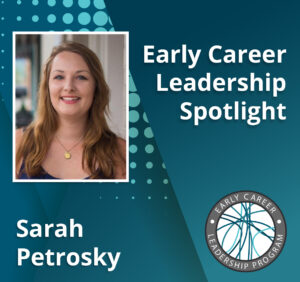
Early Career Leadership Spotlight: Sarah Petrosky
We’re taking time to get to know the members of the GSA’s Early Career Scientist Committees. Join us to learn more about our early career scientist advocates. Sarah PetroskyMultimedia SubcommitteeUniversity of Pittsburgh Research Interest I am interested in understanding adaptation that has been happening recently in populations by dissecting the ways that genes underlying an adaptation…
-
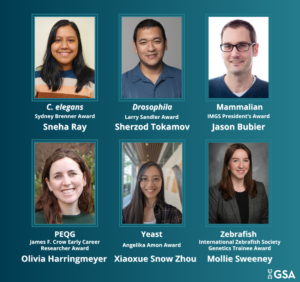
TAGC 2024 Early Career Award Winners
GSA is pleased to announce the winners of the early career awards presented at The Allied Genetics Conference 2024. These awards are specific to particular TAGC communities and recognize early career scientists’ outstanding work on their respective research organisms. The awardees will present their talks in keynote sessions at TAGC 2024. Don’t miss the opportunity…
-

Preeminent geneticists recognized with revamped GSA Awards
In 2022, GSA’s Board of Directors launched an audit to review the five major awards conferred by the Society. Today, we are thrilled to announce the recipients of the reimagined GSA Awards, including the new Genetics Society of America Early Career Medal. The scientists honored this year are recognized by their peers for their outstanding…
-
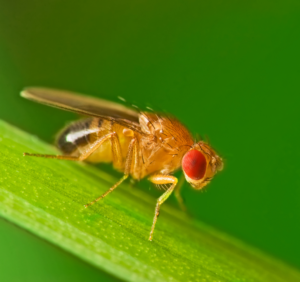
Fly Board funds outreach programs to spread the word about Drosophila research
In 2020, the Fly Board voted to use part of its reserve fund to support efforts to increase trainee participation as well as equity and diversity in the Drosophila community. An awards committee decides how the money will be spent each year, and from 2020–2022, the committee posted a very broad call for applications from…
-
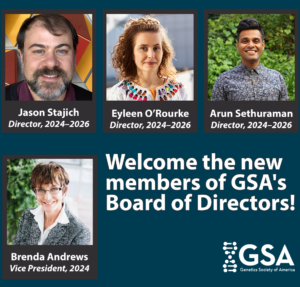
New members of the GSA Board of Directors: 2024–2026
We are pleased to announce the election of four new leaders to the GSA Board of Directors: 2024 Vice President/2025 President Brenda Andrews Professor, University of Toronto It’s an honor to continue my association with the Society by serving as Vice President of the Board of Directors. I have broad knowledge of the ongoing activities…
-

Early Career Leadership Spotlight: Samuel Isife
We’re taking time to get to know the members of the GSA Early Career Scientist Subcommittees. Join us to learn more about members of the Early Career Leadership Program.
-

What happens when you send a letter to Congress?
Ever wonder what happens after you contact your elected officials? Former AAAS-ASGCT Congressional Policy Fellow in the U.S. House of Representatives, Adriana Bankston walks us through the journey of a congressional advocacy letter and explains how scientists can use their voices to help shape research funding and federal policy.
-

Early Career Leadership Spotlight: Faye Romero
We’re taking time to get to know the members of the GSA Early Career Scientist Subcommittees. Join us to learn more about members of the Early Career Leadership Program.